All of us like to think we have good taste, but not everyone are rather actually trained to have an eye for design. For an interior designer, it’s their task to notice what an untrained eye might not. As it turns out, there’s many things. When an interior decoration expert approaches a brand-new room for the first time, or studies a recently completed task, they are drawn to particular things that make or break the space.
” To me, a space is an entire experience,” says Monika Nessbach, founder and chief interior designer of Designbar. “Walking into a room for me is like embarking on a visual adventure. Amidst the information, numerous components cry for instant attention.”
We asked some of the South’s leading interior designers what they initially see when they get in a space, and the answers might amaze you. People who live in the home and have grown used to the set-up of a room might not see these aspects, but a designer’s keen eyes can’t help but have tunnel-vision towards these things that either make a room special or stand out like an aching thumb.
Balance– Or Lack Thereof
” The very first thing that strikes me when I stroll into a room is balance, or absence of it,” states Brad Ramsey, principal and founder of Brad Ramsey Interiors. “Style and decor options are thoroughly personal and I can appreciate all various expressions, but when a room feels out of balance, indicating something is off with scale, color, or layout, I have a more difficult time enjoying it.”
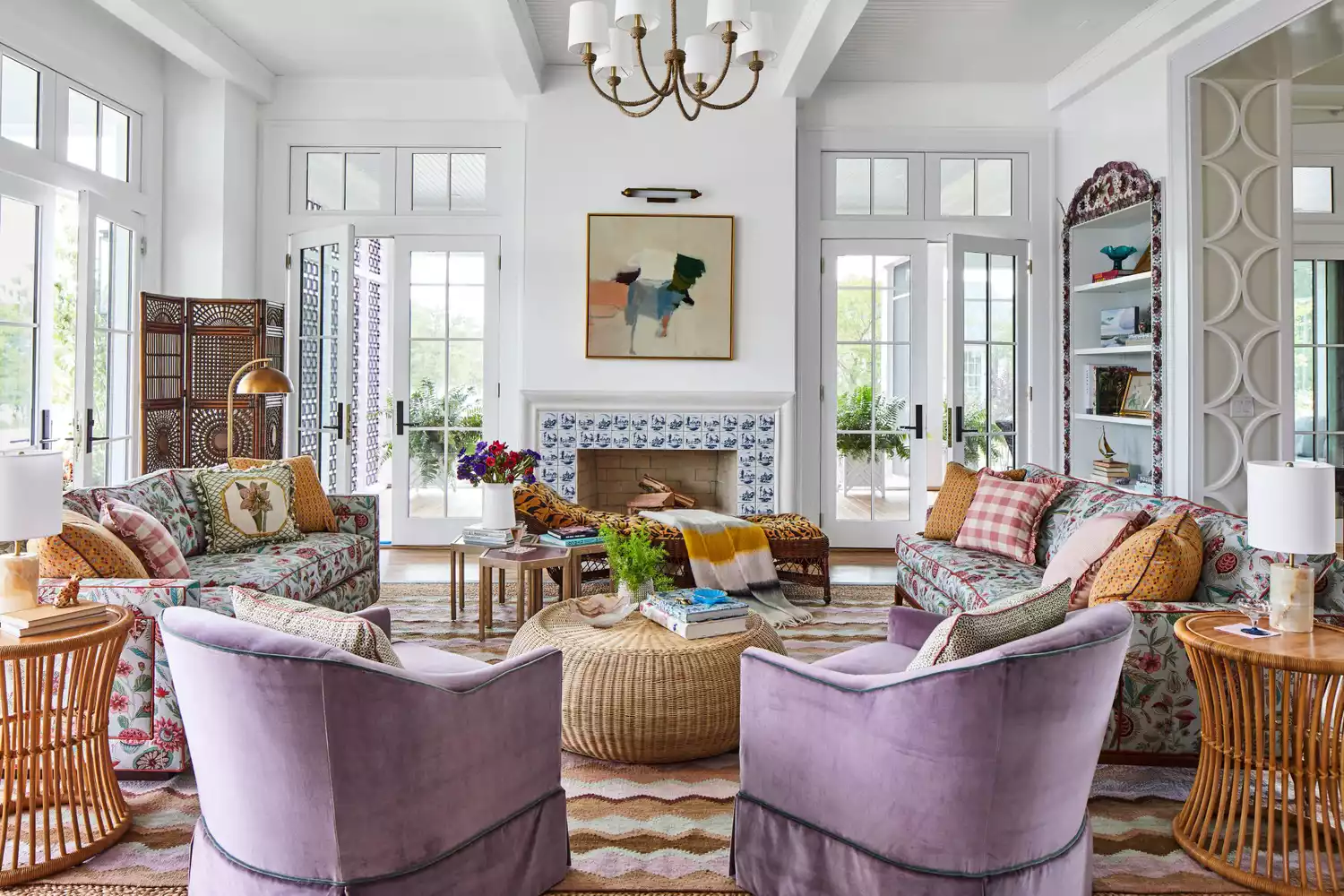
Bethany Adams, principal designer of Bethany Adams Interiors concurs that inappropriate scaling that throws a space into imbalance is a huge eyesore and can lessen the area.
” The very first thing I clock when I walk into a room is the amount and scale of the furnishings,” she says. “If a space is overcrowded, it feels unpleasant to be in it. Oversized home furnishings, overcrowded furniture or– worst of all– a combination of both makes an area feel smaller.”
Lighting
Lighting is a considerable focal point for these designers. Bad lighting, they state, can seriously beat down a space, while good lighting can lift it up and even make up for other unfavorable qualities on this list.
” There is absolutely nothing more depressing to me than walking into a dark room,” states Adams. “Rooms just feel unfortunate without a huge intense window or some exceptional lighting.”
For designer-approved lighting, think about a large range of choices. First, Sara Malek Barney, creator and primary designer of BANDD/DESIGN, takes natural lighting into account. Here, Shelby Van Daley, principal designer and founder of Daley Home says that “the more natural light the better. It enables an intense and airy feel and improves the state of mind of the room.”
When creating the lighting for a room, Katharine Rhudy, principal designer at Reed & Acanthus suggests taking an ambient technique. This means installing lighting at several levels including ceiling lights, table and floor lamps, and wall sconces to enhance any natural light.
Walls
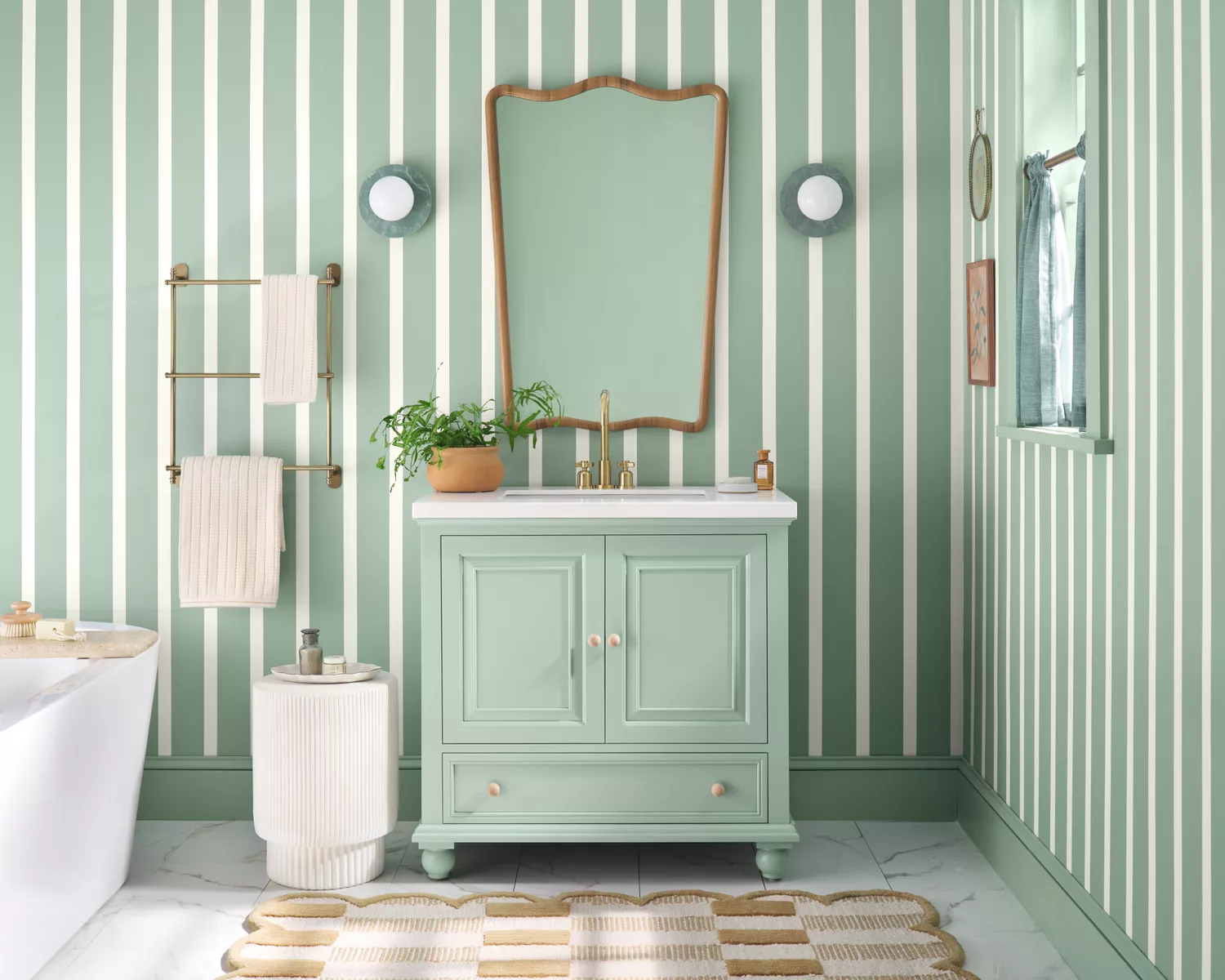
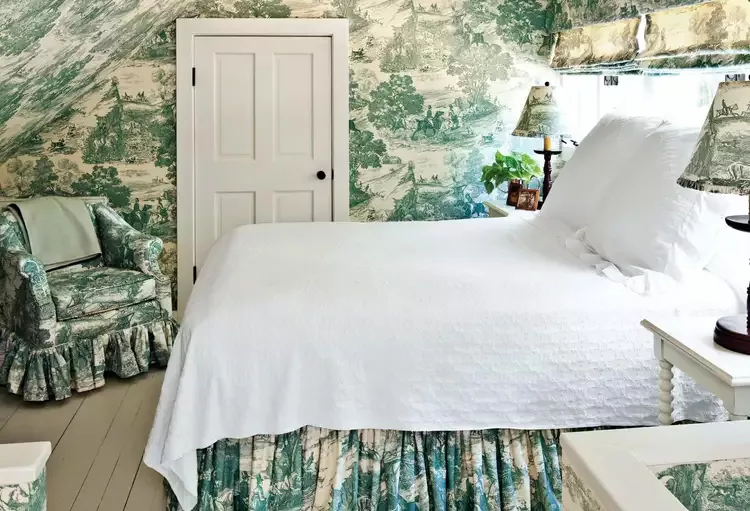
For designers, walls are a blank canvas– even if they’re not so blank. Painted, embellished, or nevertheless decorated, designers see walls as a chance for making a declaration that will set the tone for the room. Whether they’re totally embellished or left blank, designers’ eyes make sure to be drawn to walls.
” Bare walls are immediately noticeable and make a room feel sterilized and uninviting,” says Rhudy who suggests wall art, wallpaper, or intriguing paint to correct the problem.
In addition to what’s on the walls, Malek Barney says that she takes account of their building. She notes that strong limestone walls might restrict possibilities for wall treatments and that drywall includes texture that some property owners welcome and others will desire to get rid of.
” I certainly observe the walls and what’s on them– whether it be paint color or wallpaper– however I also take a look at the texture of them and what they’re made from since that will identify what is possible,” Malek Barney states.
Ceiling Height
Low ceilings, Malek Barney states, will right away set off alarm bells in her head since they are harder to work with and can make a room feel smaller sized than it is. Not numerous of us are blessed with illustriously tall ceilings, and it’s not going undetected by these designers. To decrease how striking a low ceiling can be, Malek Barney advises treating it as “a fifth wall.”
” If you’re painting, for instance, paint the walls and the ceiling the same color,” she says. “It truly helps with minimizing the effect of a lower ceiling”
Nessbach suggests utilizing optical impressions to expand the area. She advises decorating with an oversized mirror to trick the eyes into believing the space is larger than it is.
Character
If a space is well-liked and lived in, instead of the blank slate of a brand-new develop, designers’ watchful eye instantly evaluate the space as a testament to the character of those who live there and how they function within the space. This can then assist them know how to approach revamping the space.
” My immediate question is whether the room exhibits character. I take a look at what kind of books remain in the bookshelves, for instance,” says Nessbach. For Malek Barney, the question of personality is more of a feeling.
” The huge thing that I saw is the method they like to live and how it feels,” she says. “Does it feel homey? Does it feel lived in? Does it feel messy? Does it feel dusty? I pick up on a great deal of those things due to the fact that it’ll reveal me how they’re going to react to the space once it’s finished and how they’re going to live in it going forward.”
Odor
In addition to the sights (and in Malek Barney’s case, the feel), Adams and Rhudy keep in mind that other sensory observations can make considerable impressions. The biggest one that designers can’t help however notice is the smell of a space. Chances are that other visitors who aren’t utilized to your home will notice this one, too– for better or for worse.
” I have a nose like a bloodhound and can discover undesirable or pleasant smells instantly,” states Rhudy. “Does a house smell old and filthy? Moldy and mildewy? Exists an overwhelming scent from candles which always makes me ask what they are attempting to hide? The option is simple: Open the windows as often as possible to let stale air out, particularly in bedrooms.”
Clutter
We dislike to break it to you, but your clutter isn’t going undetected. For a number of designers, clutter is something of a bat signal that designer’s can’t help but act on.
” Clutter, mess, mess– It drives me wild, and it’s the extremely first thing I notice. Exist too many books, personal images, counters crowded with appliances, or toys on the floor,” concerns Rhudy, while Nessbach likewise keeps in mind invasive technology cables for the list. “Clearing a home of mess is a major step in developing a tranquil area and genuinely has a psychological and physical impact on our well-being. Plus, clearing an area of mess is complimentary!”