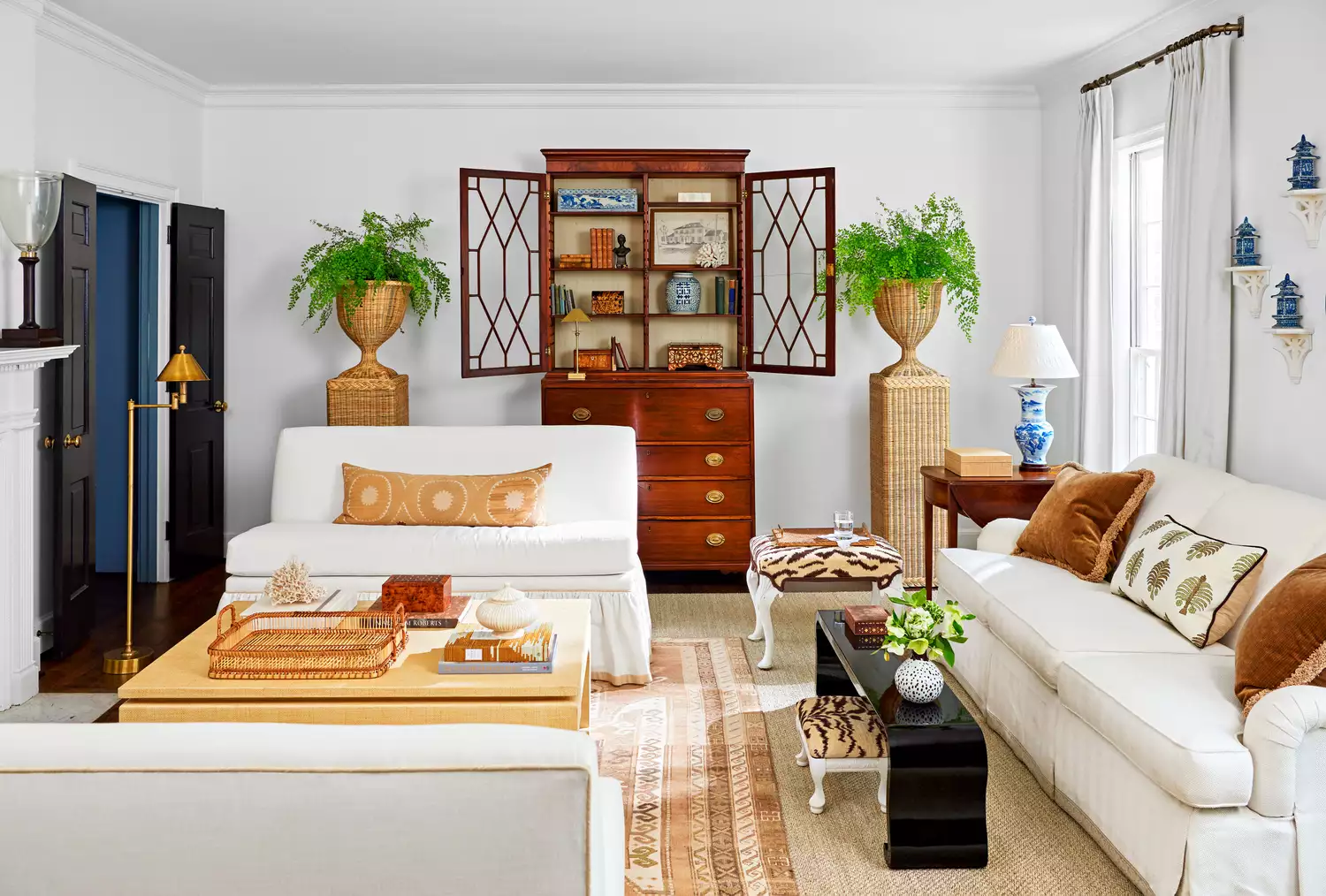
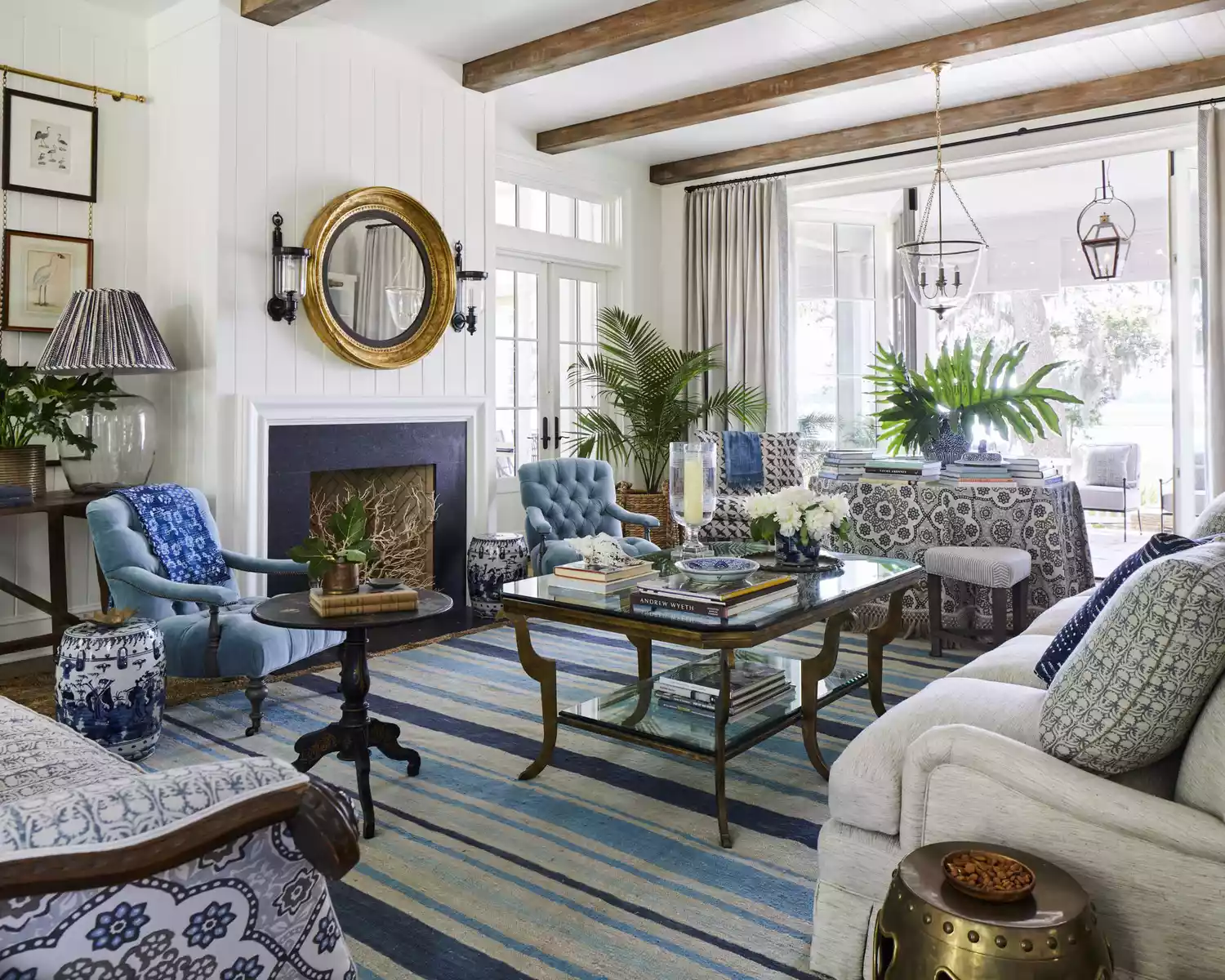
The art and science of pattern blending can be daunting, but the end result is constantly worth it. “Patterns are a remarkable method to include your story into an area,” says Katie Kime, founder of her name lifestyle brand referred to as “a world of prints and personalization.” “We all live a storied life– why should we restrict ourselves to just one accent that expresses it?”
Including numerous patterns can produce a far more dynamic space, one that typically feels more satisfying and well balanced when done right. For as numerous “do’s” and “do n’ts” as there are, Kime considers one truth to be the most essential: “Trust your eyes– if you’re looking around the room and your eyes can’t unwind and take pleasure in the mix you’ve produced, something isn’t working. That shouldn’t make you scared to attempt.”
If you’re somebody who thrives with a rulebook and require a little bit more assistance though, keep reading. We talked to three Southern style specialists about the four errors to prevent when playing the pattern video game.
Do not Pick More Than One Hero
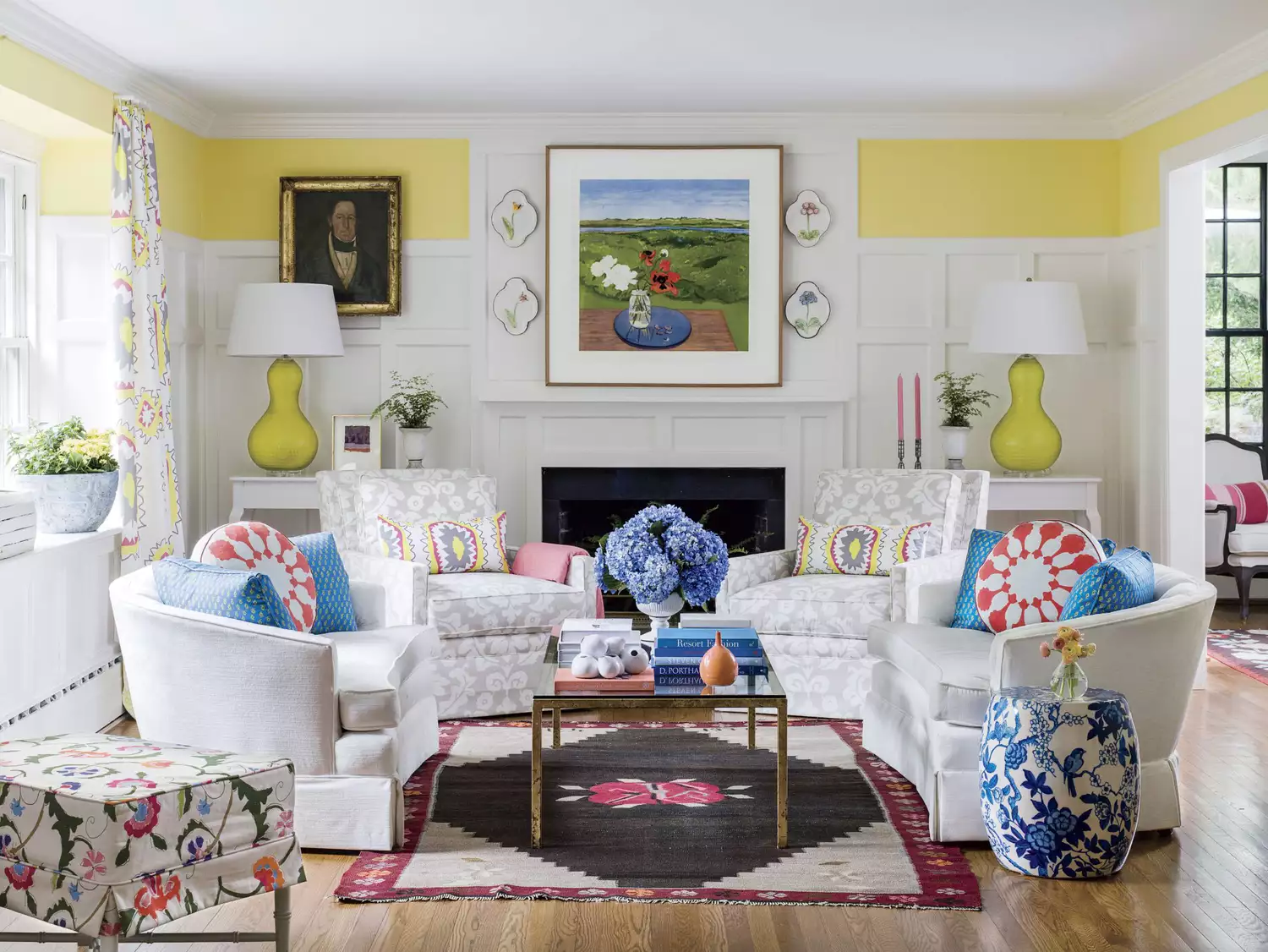
” When I’m designing an area, I typically start with one pattern and let it be the hero. Everything else is built on that,” says Bailey Ward, founder of her namesake interior decoration firm in Atlanta, Georgia. “Your patterns should never contend but should work in tandem to develop an intriguing, yet cohesive area.”
This indicates that while pattern blending is a declaration itself, there ought to only be one that makes the greatest statement. When you’re choosing the others, make sure they all relate back to the hero.
Do Not Throw Patterns Together
Pattern blending requires a level of thought and balance. “It’s easy to overwhelm an area if you aren’t thoughtful about pairings,” describes Audrey Scheck, founder of her namesake interior design company in Austin, Texas.
” One piece of suggestions we offer is to prevent combining patterns that share an extremely similar scale,” share Ashley Hunte and Becca Frasier, co-founders of interior design firm Casa Sisu in Austin, Texas. “It’s normally better to combine a smaller-scale pattern with a medium-to-large-scale one.” The eye ought to travel, but not since it does not know where to look first.
Ward states, “if you start with a massive flower, try matching it with a small-scale geometric or ticking stripe. If your club chairs are upholstered in a print, then utilize a solid pillow.”
Do Not Use Too Many Colors
Among the guidelines Scheck follows? “Always adhere to a cohesive color palette,” she says.
Emily Brown, creator of Emily Lauren Interiors in Austin, Texas, advises you “keep it simple to prevent sensory overload.” Even when handling solids, too many colors can be frustrating, so you need to be additional cautious with patterns. If blending patterns is brand-new to you, consider going tonal so it’s a little bit more instinctive.
Don’t Overdo It
Brown calls this accepting a “less is more ethos.” Her max number of patterns is 3, while Ward’s is four or 5. In your home, the number might depend on how big the area is, how busy the patterns are, and if your design leans more minimalist or maximalist.
Among the ways Kime recommends softening the impact of pattern mixing is to “choose a grounding base and develop whimsical accents on top of it.” This likewise makes it easier to change things up later on, whether it’s because you’ve discovered a new pattern you wish to integrate, you like to decorate for the vacations, or your design remains in shift.