Similar to a piece of art, the ideal area rug can totally change the appearance or layout of a room. Attributes such as a carpet’s material, size, color, or shape will impact both design and performance. Due to the fact that of this, there are lots of factors to think about before buying an area rug for your home, and the different spaces within your home.
For instance, when picking a rug for your bed room you may decide on a high-pile carpet that is softer and cushier underfoot, and when selecting for your highly trafficked living-room, you might go with a patterned low-pile rug. In this detailed guide, professionals share their finest ideas on how to pick the best carpet for your space.
Things To Consider Before Investing in an Area Rug
As you start rug browsing, specialists advise that you consider your way of life and requires first and foremost. A foyer carpet is likely to get more wear and tear than an official dining-room rug, so you might decide to choose a more resilient carpet for this space. Similarly, a glamorous, high stack carpet is more appropriate for a main bed room while a low pile carpet is best suited for a dining room for cleaning up food spills.
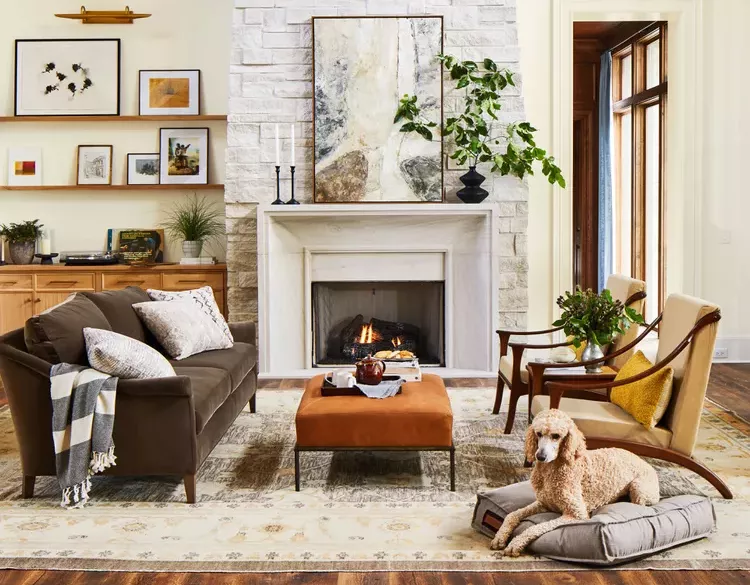
Greatly patterned carpets also do well in high-traffic areas as they more quickly conceal stains, dirt built-up, and spills than a carpet in a solid color or with little pattern. If you’re changing a carpet, consider if you are seeking a brand-new, updated look or want to keep things standard. Having a clear path will help you stay on track and not get overwhelmed with the choices.
Area Rug Styles and Patterns
For rug styles and patterns, you’re no longer limited to standard choices. There are machine-washable rugs like those from Dash and Albert. There are rugs with a cause like those by Georgia-based Enkay.
” One of the biggest surface areas in a home is the flooring, and it is frequently a missed opportunity to express yourself,” said June St. George creator, Ally-Catherine Trenary whose custom-made rug line showcases themes such as monograms, bows, and other custom symbols. There are some great rug out there, so do not be scared to be lively in your options.
Area Rug Types
Natural vs. Synthetic Materials
You may hear carpets referred to as being made of natural fibers. Those products include bamboo, cotton, jute, silk, sisal or wool. “Natural fibers are an excellent alternative for consumers who want durable products that are made with sustainable practices. Their neutral tones with subtle variations offer a great structure for any area and act as a fresh start to layer materials and visual appeals,” founder and CEO of Enkay, Asha Chaudhary stated. Here are a couple of advantages and disadvantages of natural material rugs:
Pros: Long-lasting, resilient, can hide soil well
Cons: Generally costlier than synthetic material carpets, maintenance and cleaning are more difficult; Most natural carpets require expert cleaning which can be expensive.
Artificial rugs are a good alternative for homes with little kids and pets due to the fact that they do not require a huge upfront investment, but Elizabeth Lee of Hazel House in Birmingham eloquently describes, “Rugs are not delicate; I’ve heard individuals state they’ll wait to invest in a rug until their children are grown. Below, we’ve noted a couple of pros and cons of artificial rugs:
Pros: Generally more budget-friendly than natural rugs, easy cleansing and maintenance, stain-resistant
Cons: Not as lasting as natural rugs, not as soft as some natural carpets
Rug Pile and Weave Types
Lee also says a carpet’s weave and stack are a vital part of the selection procedure. Low stack carpets are more long lasting and are simpler to tidy whereas a long stack rug will feel additional soft beneath your feet. And like any expert, she has her favorites.
Lee is particularly drawn to Persian rugs, “You just can’t beat the craftsmanship of a Persian carpet. Now, I enjoy a Turkish rug, too, and I sell them every day, but the weaving of a Persian carpet is so tight and so specific that they will last hundreds and centuries.”
Rug Cost
The price of an area rug depends on numerous factors consisting of pile type, its product, if it’s handmade, if it’s imported, and its size. If a rug is handmade, that implies each part of carpet making process should be finished by human hands. Obviously, a handcrafted carpet is going to be a bit more of an investment piece, but it is most likely to last longer, too. In addition to how a carpet is made, the products and size will likewise affect the total expense.
You can easily spend thousands of dollars on a stunning, hand-woven rug or find an inexpensive one at a shop near you. You may even get fortunate and discover a more pricey rug secondhand for a fraction of the price. As with any other furniture, Trenary says, “The most important guideline of design is to make it something you love.” Which most definitely includes carpets.
How to Decide on the Right Size Area Rug For Your Space
Betsy Berry, primary designer at B. Berry Interiors in Charleston breaks down a few tricks of the trade for selecting and measuring carpets:
Utilizing the space as a guide, make certain that the rug is approximately 4 to 6 inches far from the wall all the method around.
For a living room, Berry encourages floating the seating location to the center of the space for intimacy, so the carpet should contain all the furniture, including the front and back legs of each piece.
To get an accurate measurement, usage painter’s tape to measure the perimeter of the space where you ‘d want the rug. This extra action will give you a rough quote of the size of the carpet you’ll require.
Your Guide To Picking The Right Rug For Each Room Of Your House
Christin Terrell of Birmingham-based Kings House Rugs recommends to try to find premium carpets that last. “A well-made, wool flat weave, whether vintage or new, tends to be affordable, useful for numerous spaces.”
Standard embellishing advice states to anchor spaces with rugs that fill the space except for a one to two-foot perimeter of bare floor. Carpets are important to produce separate spaces.
The Living Room
When it pertains to the living-room, you’ll desire a large carpet that will hold all of your furniture. While it’s best to fill as much of a larger space as possible, that can be cost-prohibitive. Rather, consider your seating areas, and find several rugs that will anchor those. For included interest, float one small patterned rug atop a larger flooring covering with texture, such as one made from sisal or seagrass.
The Dining Room
Consuming spaces generally offer the least versatility for carpets, since the objective here is to have something that grounds the space and connects the table and chairs together. To find the best size for your set, determine your table and add 4 feet to both its length and width to accommodate pulled-out chairs. Nobody wishes to fall off the carpet when they’re sitting at the table.
The Bedroom
Bedrooms typically demand big square rugs beneath the bed while leaving space on the sides and at the foot so you can step onto something cushy in the early morning. If that’s out of budget, however, consider going for a coordinating collection of smaller sized carpets or runners on each side of the bed.