For Xmas one year, my wonderful hubby have me a flower shipment service set to show up on the first of monthly. Such a treat!
The delivery firm paired each attractive bunch of flowers with a beautiful light weight aluminum, tin, or copper vase. While I am entirely obsessed with these steels from a style point of view, I additionally learned rapidly that filling up steel vessels with water produces some challenges– chief among them, rust.
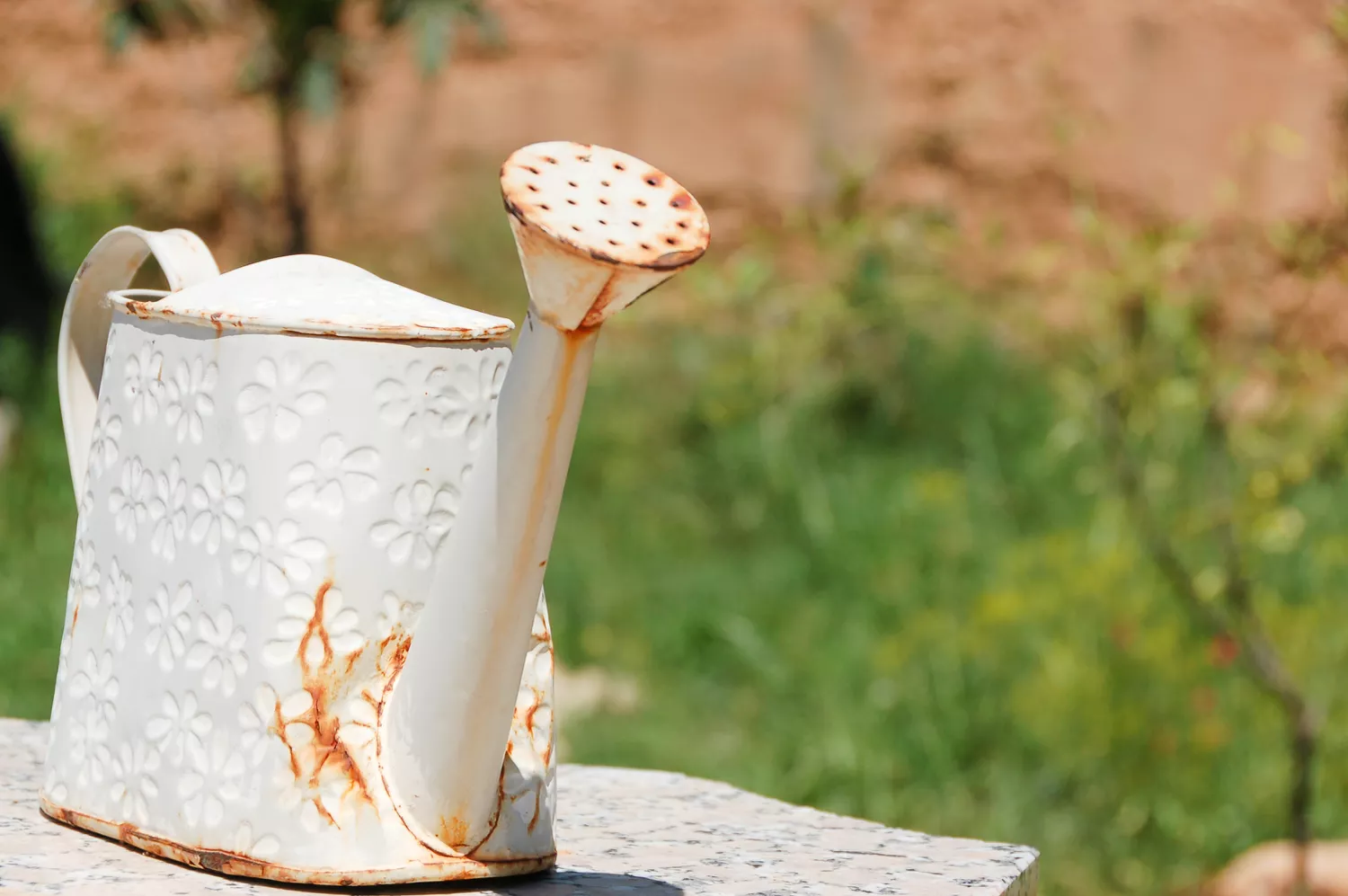
If you have actually obtained steel surfaces, keepsakes, or heirlooms that have actually succumbed to a little rustic neglect, adhere to the actions listed below to restore them to their glory days and make your home beam a little more vibrant.
What Causes Corrosion?
Corrosion happens in steels as they oxidize, which is just an easy means of saying that when overlooked as well long, softer metals can have a chemical reaction with particles in oxygen that trigger deterioration. For some metals, this is a certainty– think about the aging on a stunning copper item. However, for others, this regrettable reality makes them look drab and filthy as opposed to amazing and vintage.
What’s worst, rust can actually deteriorate metals to the point that they’re no more functional (assume: an old car whose doors are peeling in sheets from resting outdoors and rusting). When it isn’t gotten rid of, rust can in fact be the fatality knell of a preferred piece.
So, exactly how to eliminate it? Let’s begin!
Approach 1: Vinegar And Sodium Bicarbonate
This remarkable cleaning duo is so reliable, and (reward!) can be found in almost any type of cooking area.
Step 1: For items that are greatly rusted, start the evening before by immersing your metal totally in a tub or basin of white vinegar. The acidic nature of vinegar need to deal with loosening also the most significant, baddest rust spots.
Step 2: The following morning, evaluate your piece– does it still require some job? If so, mix 3T of cooking soft drink with enough water to form a thick paste (precise measurements aren’t essential here, go by feel). Spread your paste over the surface of the tougher rust areas and start working at them today with your sponge or steel woollen. Unlike various other cleaning projects, this doesn’t need a delicate hand: Corrosion removal is usually sturdy work that needs hostile scrubbing.
Step 3: Rinse your thing off in the sink and completely dry with a tidy towel. Look into your item once more– are there tiny rust spots continuing to be? Because situation, repeat the cooking soda process over again up until it’s totally without rustic deposit. If there are bigger, extra penetrant rust discolorations, begin at action one with an overnight soak or think about making use of technique 2.
Technique 2: Chemical Rust Cleaner
This approach is much more intense than using all-natural ingredients as above, so make certain to utilize lower arm length handwear covers to shield your skin as you scrub. Too much exposure to exceptionally acidic chemical-based sprays threatens for your skin, eyes, and lungs. If working inside, take into consideration a safety mask.
Step 1: Select your cleaner based on the product you’re cleansing. For small rust spots, WD-40 or The Pink Things will certainly do the trick. Outdoor railings, steel umbrella posts, and various other smaller sized jobs can handle a choice like Goo Gone Corrosion Cleaner Spray. For bigger, set spots on large pieces like grill tops and outside furniture, choose something like EvapoRust or Loctite’s Naval Jelly. Keep in mind: All of these alternatives come with danger to yourself and your items, so make certain to very carefully read the labels before progressing. Some steels are as well soft to manage sturdy items, and selecting the incorrect one could do more injury than great.
Action 2: Comply with the cleaning guidelines on your product’s label, making certain to get rid of excess item by hosing or cleaning down when you’ve completed your usage.
Step 3: Spot clean any continuing to be discolorations using your chemical product or utilizing the cooking soda paste from the previous approach.