Brick is one of the most lovely indoor floor covering types out there, never failing to lend distinctively Southern appeal. Whether you’ve inherited well-worn brick floorings or are thinking about installing them in your home, there are some things to consider in advance. While the beauty of each brick lies in its flaws, there are specific care and maintenance needs that, when not met, will have your brick floor covering aging in a not-so-gracious light. To prevent this and other brick-flooring-related mistakes, we tapped the pros at Alexander and Xavier Masonry of Garland, Texas, to share their leading tips on whatever from sturdiness to cost and installation to investment. Here’s what you need to understand about indoor brick floors.
Sturdiness
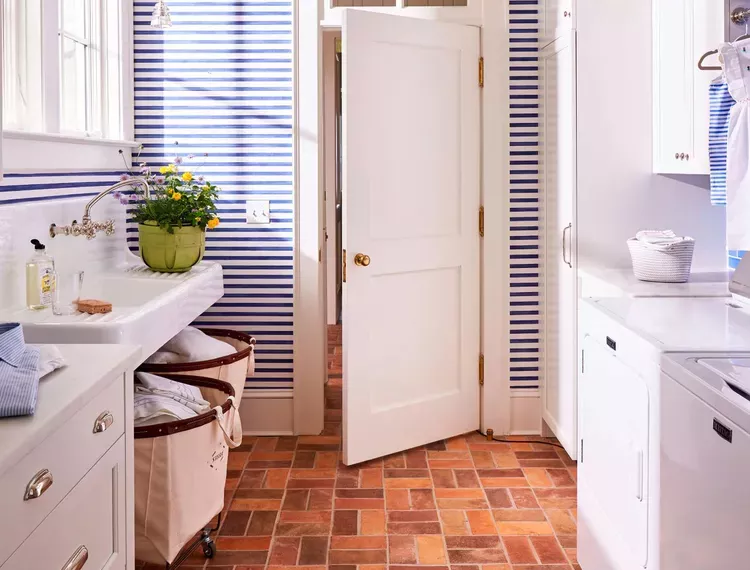
Among the benefits of utilizing brick flooring both indoors and out is its toughness. According to Alexander and Xavier Masonry, it can endure heavy foot traffic all while staying resistant to use and tear. For those reasons, it can be a lasting option for house owners looking for a flooring type that will go the range. Brick floor covering also has the advantage of offering a look that seems to benefit from age. While the group at Alexander and Xavier Masonry says the aesthetic may not attract everyone’s interior design style or taste, it can be a practical choice for those who prefer its rustic appeal.
Setup
The setup process for brick will require similar considerations as that of most other floor types. Appropriate subfloor is key, according to Alexander and Xavier Masonry, particularly when it happens level and devoid of wetness issues as this can greatly compromise the integrity of the floor covering. It’s also crucial to keep in mind that bricks, by nature, tend to have dips, divots, and other disparities that can make furnishings unsteady or even somewhat uneven. If your brick remains in an area like a den or living room, consider using a thicker area rug to assist offer a more steady surface for home furnishings. In spaces like the kitchen, mudroom, or other utilitarian areas where there isn’t much in the way of furnishings, this drawback may not show as troublesome.
Finishes and Sealing
As soon as the bricks are laid and set up, there’s still the finish and sealing to consider. The pros at Alexander and Xavier Masonry say some of the most popular alternatives variety from natural-looking finishes to shiny to matte.
Maintenance and Care
The Alexander and Xavier Masonry group suggests utilizing a neutral pH cleaner and absolutely avoiding any severe chemicals as they can damage the surface area of the brick. Eliminate stuck-on dirt and grime with a stiff-bristled brush and attempt to prevent letting moisture swimming pool as it can wear away at the brick’s surface after exposure.
Wetness Considerations
One of the benefits of sealing brick is to assist it withstand wetness, though excessive wetness can certainly become troublesome. Rooms like bathrooms, utility room, and other areas where standing water or high wetness levels are a concern will likely not be an excellent place for brick floor covering. Rather, opt for a flooring type that is better fit for withstanding these elements and will not require excessive upkeep to deal with their side effects.
Expense
“The expense of brick flooring differs depending on the kind of bricks utilized and the complexity of the installation,” says the team at Alexander and Xavier Masonry. Compared to vinyl and laminate, both of which are popular floor covering types, brick can be on the more expensive side though it is comparable in cost to ceramic tile or hardwood. No matter the financial investment, proper care will generally help extend the life of your floor covering and, with a floor covering type as durable as brick, you’ll be setting yourself up for a long life together– a truth that might assist relieve cost-related issues.