High-impact wallpaper also has the prospective to ruin the entire space if you don’t understand what mistakes to avoid. Even though the possibility of a mistake can be frightening, the reward of bold but well-done wallpaper is worth the threat.
” Our number one tip for wallpaper is to take dangers,” says interior designer Morgan Farrow. “We love to believe of wallpaper as fashion jewelry and art for the walls.
Before selecting a wallpaper and beginning the installation procedure, there are shortcuts and bad moves Southern designers desire you to prevent for flawless wallpaper.
Rash Decisions
The objective when picking wallpaper, naturally, is to select one that will last rather a long time. To ensure a pattern you will not get sick of too quickly, prevent fast-fading trends, colors that encounter the space, and leaping to conclusions. Regrettably, a lot of Southerners get captured in these traps.
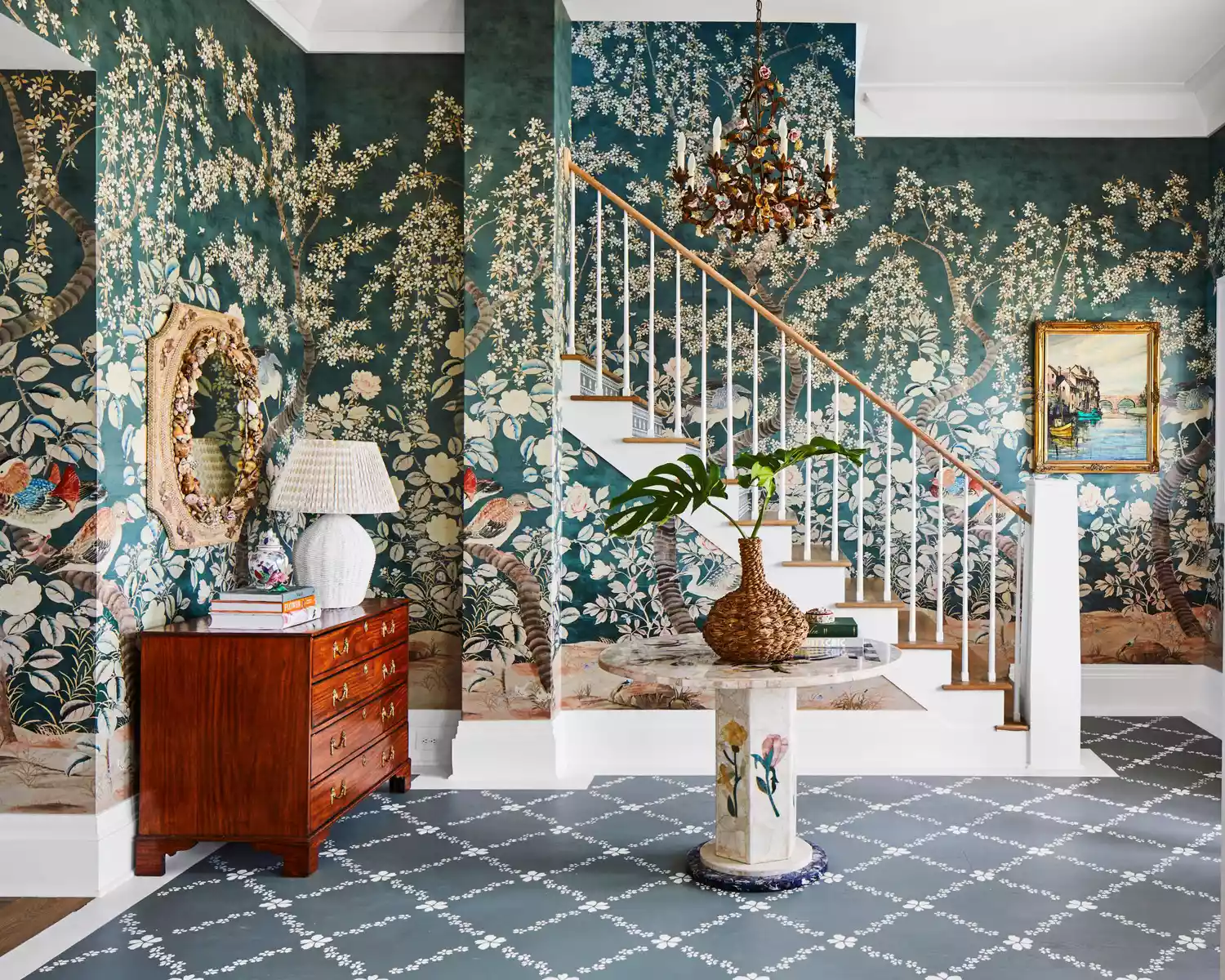
According to interior designer Meredith Owen, a great method for selecting a wallpaper that you can live with long-lasting is by living with an example of it short-term. Rather than just seeing the swatch in a scheme and selecting it right away, Owen tapes the example to the wall and leaves it for her customers to sit with for numerous days till they’re sure about the pattern and color.
A One-Paper-Fits-All Mentality
When picking a wallpaper you’ll enjoy long-term, keep in mind that not every wallpaper will work for every room. Just because you like the look of a pattern, does not suggest that it’s the best pick for your project.
” The mistake I see usually is people utilizing wallpaper in the incorrect context,” says interior designer Bryan Yates. “Being familiar with the architecture of the space is crucial for correctly performing a wallpaper installation. For instance, suppose you select a paper with a considerable pattern and plan to implement it in a space with specific niches or angled ceilings. In that case, it needs to be thoughtfully laid out to make sure the pattern links correctly.”
Designers highlight the value of picking wallpaper with a particular space or surface in mind, representing its needs and parameters before setup. This uses not only to the pattern but the wallpaper material, too.
” My finest suggestion for choosing wallpaper is constantly to think about how and where the paper will be utilized,” includes Yates. “For circumstances, you may invest in vinyl, not paper, in a restroom. Specific documents accommodate certain aspects, so always identify how a space will be made use of before selecting your favorite print.”
Marking down Scale
With a specific surface in mind, one essential consideration is scale. Like in any avenue of design, scale is necessary for wallpaper, Farrow says. Nevertheless, she reveals that many make the error of choosing a pattern that is too huge for the wall or ceiling it’s intended for. This can result in uncomfortable cut-offs and insufficient patterns.
To prevent this faux-pas, Farrow advises taking a close look at any paneling, modeling, or cut that might infringe on the wallpaper. Chances are, if you take a determining tape from floor to ceiling and from side to side, that might not really be the real measurements of your wall.
Too Little Paper
As essential as it is to choose the ideal wallpaper pattern, it’s just as crucial to purchase the ideal amount. Because of how expensive a foot of wallpaper tends to be, it can be tempting to just purchase the bare minimum square footage you believe necessary.
Undervaluing how much wallpaper is needed is an all too prevalent mistake, leaving a gap on the wall till a second shipment is provided. This mistake can prove specifically alarming if you’ve chosen a hand-painted or printed pattern.
” If the paper is hand-painted or printed, the color lot will be the exact same as when you made your original purchase,” Yates says. “If you have to buy more paper to fix an error, the color lot might be a little various, leading to your hues not matching up.”
Forgetting a Focal Point
With your wallpaper thoughtfully chosen and bought, there are still a couple of things to consider before you can comfortably begin the installation process. Before repairing paper to the wall or ceiling in a manner that’s challenging or harmful to reverse, make certain to map out how to place the pattern so that it sits best. This is a mistake waiting to happen, Yates reveals.
” People don’t consider what they desire the centerpiece to be,” he states from experience. “For example, if you choose heavy pattern paper but do not plan the placement correctly, you might cut out an important pattern aspect.”
Papering Too Soon
If you’re redecorating more than simply the wall and still have work to do in the space, press time out. Be client and do not jump ahead to install the paper before due time or you run the risk of an irredeemable mistake.
” I’ve seen contractors install wallpaper before a room is completed and this is constantly an error due to the fact that it always gets scuffed up,” says Owen. “Keep your wallpaper setup to the very end of the task.”
DIY
Owen worries the significance of making the right paper selection, she reveals that the installation procedure is really where the bulk of errors are made. While we’re all for an innovative, money-saving service, wallpaper setup isn’t a place to skimp.
An amateur wallpaper job leaves excessive room for error, designers state. If not prepared and used correctly, a novice setup can lead to pricey mistakes and wallpaper that you’ll want to change earlier rather than later. Even low-cost, short-term, and DIY-favorite peel-and-stick wallpaper isn’t as foolproof as it appears, according to the pros.
To prevent the DIY fallout mess completely, interior designers recommend enlisting a wallpaper professional who’s experienced and qualified to do all of the wall preparation, unanticipated measurement calculations, and stable setup required for satisfying wallpaper.
” My best recommendations for anyone thinking about setting up wallpaper in their home is to hire an expert,” states Yates. “Wallpaper is an investment, even at lower costs, due to the quantity typically needed to finish a project. Expert installers understand whatever about the kind of documents, patterns, and positioning before the installation to guarantee a perfect outcome.”
Jagged Seams
” The most common wallpaper installation mistake we have observed is that the joints do not compare,” she says. “The joints being off can be an outcome of numerous aspects, such as using the incorrect adhesive or not effectively leveling the very first panel can result in the seams being off.”
During setup, make sure to set up straight, even seams to avoid an eyesore, Farrow recommends. With experience, a professional can sidestep this prospective catastrophe.