“I have a catchphrase for myself: Good design is sustainable,” states Laura Hodges, the Catonsville, Maryland, decorator behind our 2023 Southern Living Idea House. People often assume that sustainable design indicates decorating solely with particular products, like cork or recycled items, with an end result that all but reveals its Earth-friendly nature, but Hodges proves that more planet-conscious options can be subtle and lovely too.
Source Materials Stateside
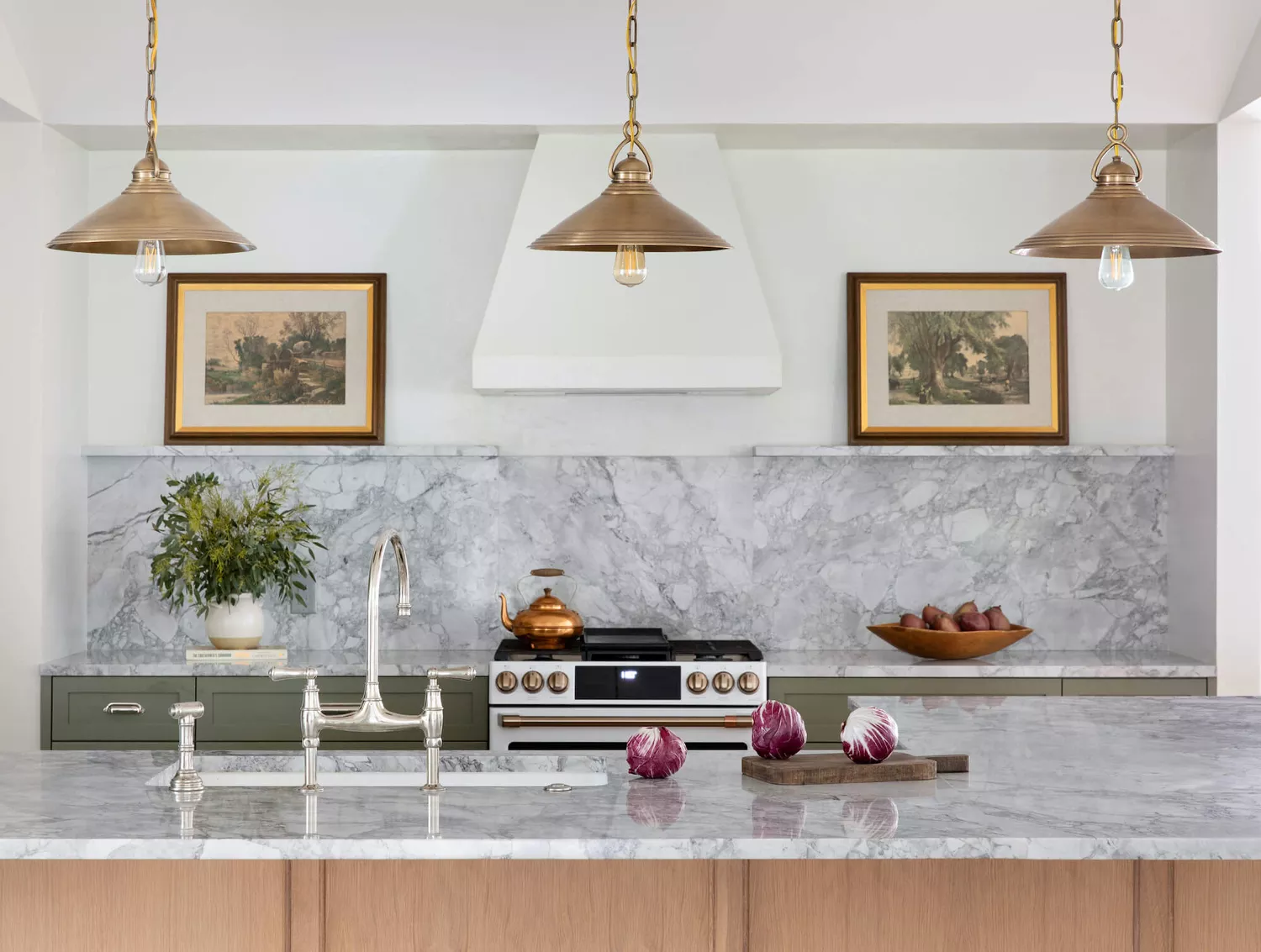
When it comes to picking design elements, like marble, consider those found closer to home. In the Idea House’s kitchen, the decorator picked Imperial Danby marble for the countertops and backsplash. “It’s sourced out of Vermont, so it’s not taking a trip from overseas,” states Hodges of the more mindful choice. “It’s remarkably simple to live with. I think people are afraid of staining it, however marble lasts and lasts. The older it gets, the more stunning it gets, in my viewpoint.”
Lean on Natural Light
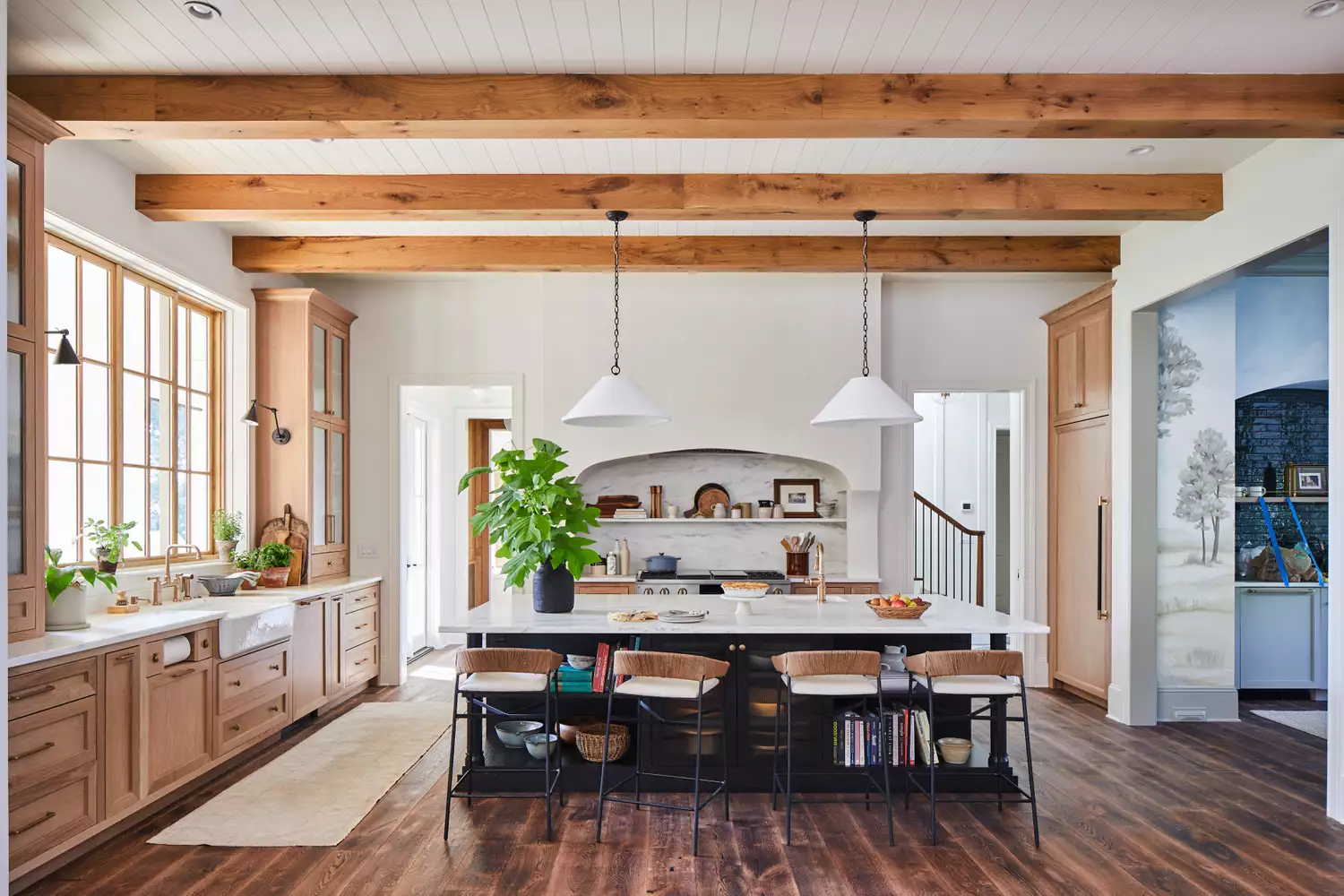
Lessen the need for energy-guzzling components by maximizing your home’s natural light. “We selected lighter colored materials for the very first and 2nd floors of your home so that the natural light is a great source of illumination,” keeps in mind Laura. “We do not necessarily have to count on synthetic light since of dark surfaces or heavy window treatments.” That said, curtains are still a smart energy-saving relocation, if you select the ideal ones: Rather than thick drapes, select lighter ones that can offer a layer of insulation in the winter months and use light filtering in warmer, sunnier months.
Prioritize Natural Materials
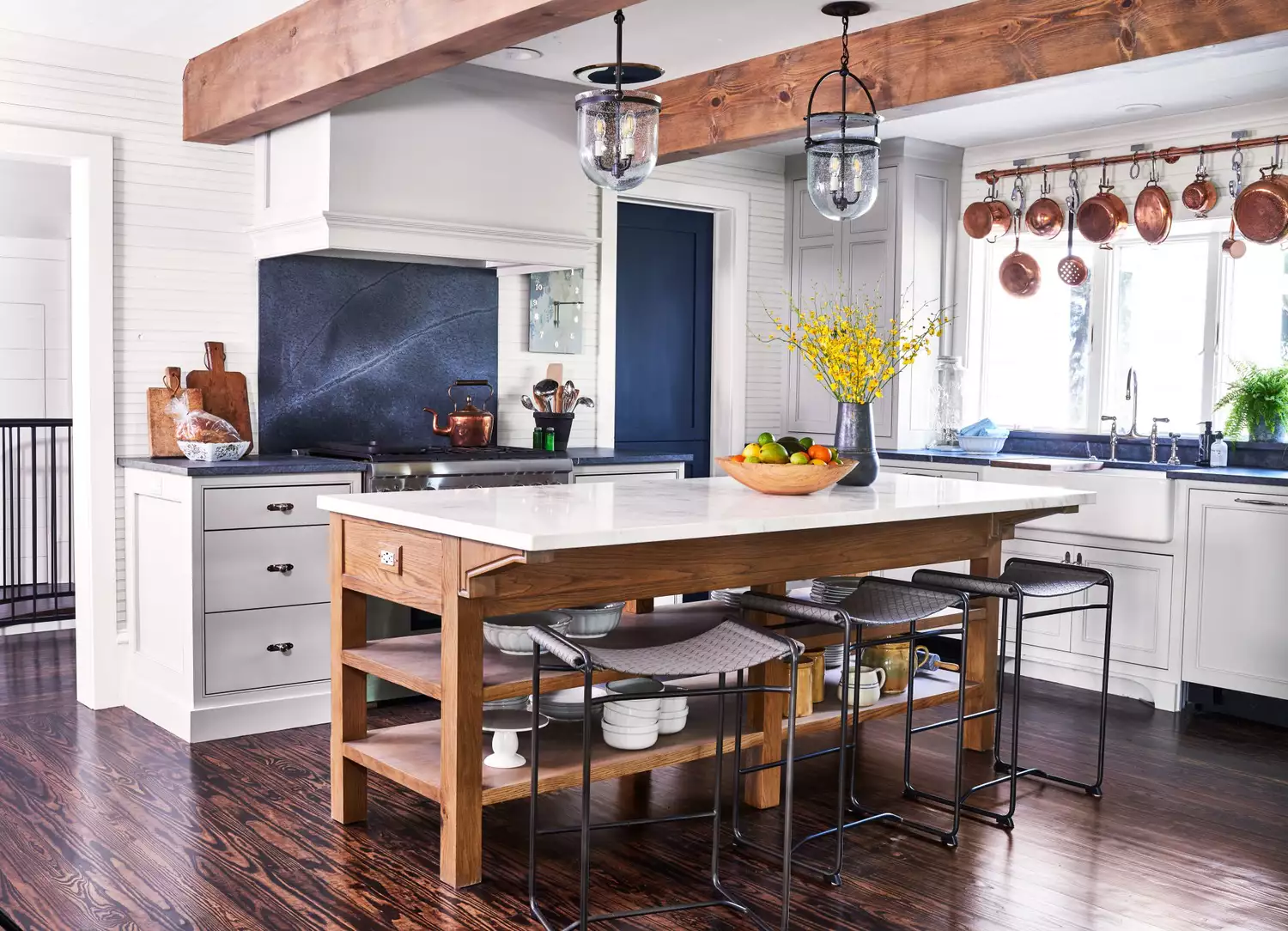
Whether for surfaces or home furnishings, think about natural options initially, like wool, wood, and cork, as these have a cradle-to-cradle lifespan, states Laura. “This implies it has the capability to be developed into something else or recycled,” she explains.
Integrate Plenty of Vintage Finds
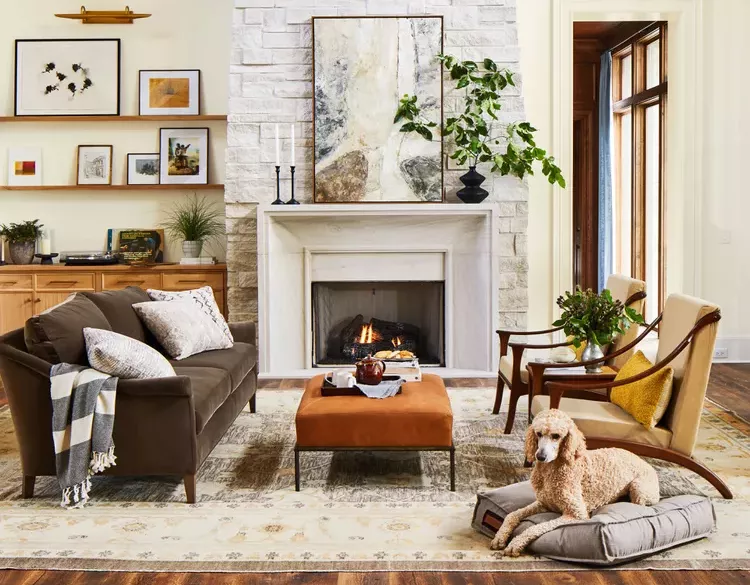
” We always start with vintage,” says Hodges, who sourced antique and classic home furnishings and accessories for almost every space in the house. “It’s amazing to be able to have distinct pieces that are unique and well crafted, and it’s more sustainable due to the fact that they weren’t newly made.” They’re a wise option on the resilience front too, states the designer, who grounded many spaces with hand-knotted vintage rugs from Nashville Rug Gallery: “They’re likely made much better than a lot of the ones you ‘d purchase brand-new. If they’ve been around for this long, you’re not going to ruin them.”
Store with Small Brands and Local Businesses
” Sustainability isn’t practically the item itself. It needs to have to do with the people [who make the products] and their lifestyle and their health,” states Hodges. That’s why it’s essential to patronize companies that are transparent on all fronts, from where they source materials to how they compensate their workers. By shopping with smaller brand names and regional services, you can more easily make sure that their worths line up with your own. Shopping in your area likewise means that you’re preventing long-distance shipping (not great for the environment) and putting money back into your own neighborhood (a win-win!).
Reassess Small-Scale Daily Decisions
If a more sustainable home seems out of reach, Hodges says to begin with “baby actions you can take to be more aware and more deliberate.” Think about replacing single-use products with those that can be utilized multiple times. In the Idea House, for example, Laura went with multiple-use absorbent flannel hand towels in the kitchen area, rather than paper ones; set up compost stations; and invested in glass food storage for the pantry. “Decanting items into glass containers enables you to buy items wholesale and not have so much plastic,” she discusses.